Complete AI Prompt Pack
1000+ prompts • $37
I know having a good template gallery that shows up well in search results can be a tricky task. It’s easy to get lost in what to include and how to make it stand out. But if you keep reading, I’ll share some simple ideas that can make your SEO pages shine and attract more visitors.
By the end, you’ll have a clear idea of how to design, organize, and optimize your template gallery so it not only ranks better but also keeps users happy. Whether you’re just starting out or looking to improve, these tips can help you create a gallery that catches eyes and gets clicks.
Key Takeaways
- Showcase diverse template collections to attract visitors and cater to different needs.
- Organize templates with clear categories and responsive design for easy navigation.
- Use engaging descriptions with targeted keywords to enhance SEO and user appeal.
- Incorporate internal and external links to relevant resources and content for better engagement.
- Encourage user reviews and feedback to build trust and increase fresh content for SEO.

Best Template Gallery SEO Page Ideas
Jumping into the world of template galleries, one of the best ways to attract visitors and boost your rankings is by offering a variety of fresh, engaging ideas for your SEO page. Think about showcasing themed collections, like “Best Business Templates” or “Creative Portfolio Designs,” which help users find what they need quickly. You can also create pages that highlight niche categories, such as “E-commerce Templates” or “Blog Styles,” making your site more targeted and useful. Consider adding case studies or success stories of users who found the right templates through your gallery—this builds trust and encourages new visitors to browse more. Additionally, incorporating dynamic features like trending templates, seasonal showcases, or new releases can keep your gallery current and entice repeat visits. For inspiration, analyze top galleries and see how they structure their pages around user needs, visual appeal, and keyword focus to craft your own standout layout. Remember, your goal is to blend creativity with strategic SEO to make your gallery both attractive and discoverable. If you’d like some quick prompts to generate engaging template ideas, try commands like: “List popular niches for website templates,” or “Create a themed template collection for small businesses.”
How to Design an Effective Template Gallery SEO Page
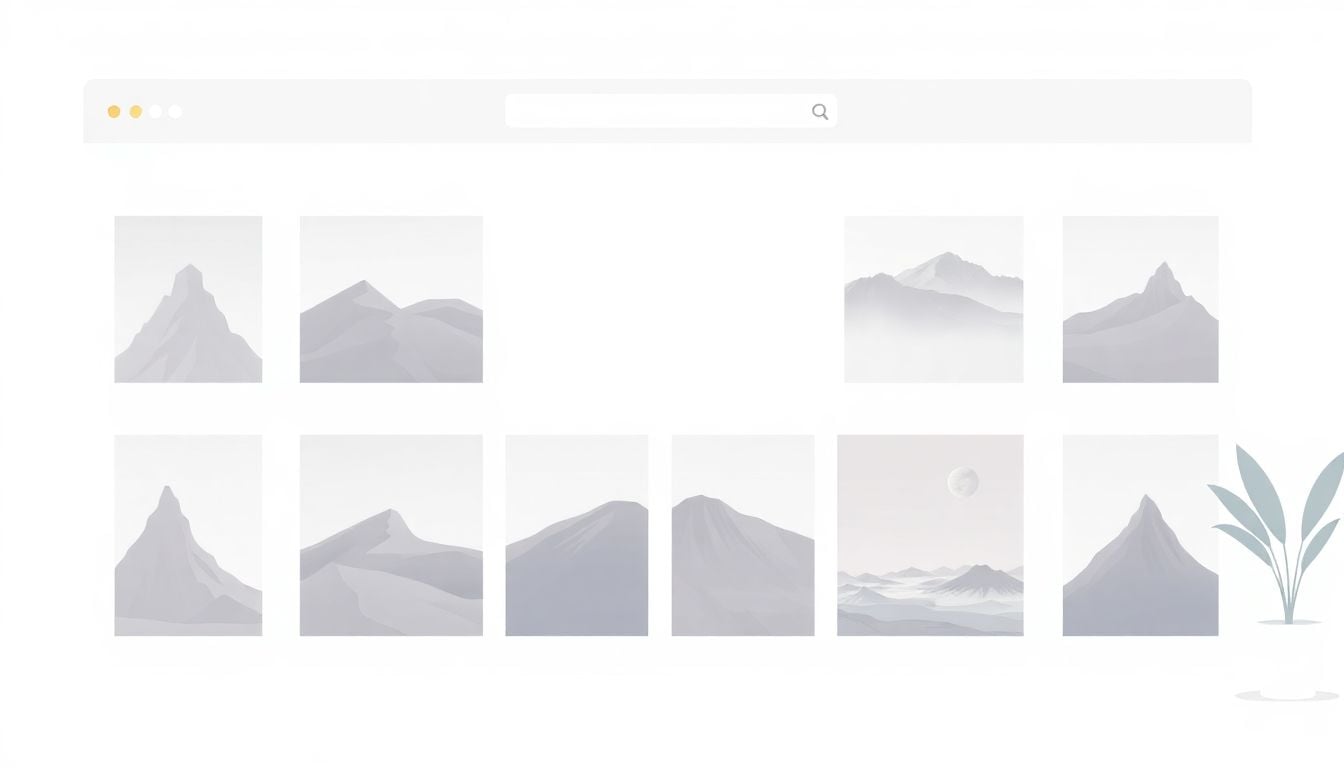
Designing a template gallery that ranks well starts with a user-friendly layout that makes browsing simple. Begin by organizing templates into clear categories and subcategories, which not only improves navigation but also helps search engines understand your site’s structure. Use a clean, responsive design that adapts to mobile devices since a lot of traffic comes from smartphones and tablets. Incorporate large, eye-catching images of each template, with concise but informative descriptions, so visitors immediately get an idea of what they’re clicking on. Don’t forget to add a search bar right at the top, allowing users to find specific templates quickly—this boosts engagement and time on page. Enhance accessibility by ensuring your fonts are legible and controls are easy to use, so all users can enjoy your gallery equally. To increase your SEO, implement schema markup for your templates, which helps search engines display rich snippets in results. A few prompts for ChatGPT to assist in design ideas are: “Generate a checklist for responsive gallery layout,” or “Create a structure outline for a SEO-optimized template gallery page.”
Tips for Writing SEO-Friendly Content for Your Template Gallery
When writing content for your gallery, focus on clarity, relevance, and natural keyword integration. Start with compelling yet straightforward descriptions for each template, highlighting its key features and benefits. Use keywords thoughtfully—think about what your target audience might search for, like “modern business website template” or “fashion portfolio theme.” Place primary keywords in titles, headings, and early in the descriptions to help search engines understand your page’s focus. Keep your language simple, conversational, and engaging so visitors feel encouraged to explore more. Incorporate action-oriented phrases, like “Find the perfect template for your brand” or “Browse top-rated themes now.” For popular prompts, try: “Generate SEO-friendly descriptions for 10 website templates,” or “Create engaging meta descriptions for a template gallery.” Remember, avoid keyword stuffing; instead, aim for natural flow that balances readability with optimization.

How to Use Internal and External Links to Boost Your Template Gallery SEO
Linking is one of the easiest ways to improve your gallery’s SEO and help visitors find related content. Start by integrating internal links within your descriptions, pointing to other relevant templates or category pages. This not only spreads link equity across your site but also keeps visitors engaged longer. Don’t shy away from linking to your blog posts, guides, or tutorials that elaborate on how to use certain templates; it adds value and builds trust. For external links, reference authoritative sites that validate your content, like industry reports or design resources—just make sure these links open in new tabs so users don’t navigate away unexpectedly. Use descriptive anchor text filled with relevant keywords, avoiding generic phrases like “click here.” As a bonus, create a sitemap for your gallery and regularly update your internal links to reflect your growing collection. Here are some prompts to generate tailored link strategies: “Generate a list of internal links to related templates for my gallery page” or “Create a plan for effective outbound linking to industry authoritative sites.”
How to Incorporate User Feedback and Reviews for Better SEO and Trust
User reviews and feedback do more than just boost credibility—they also help your SEO. Encourage your visitors to leave reviews by adding a simple, accessible review form near each template. Make these reviews visible on your gallery pages, as they add fresh, user-generated content which search engines love. Use review snippets in your schema markup so they can appear directly in search results, making your pages more attractive and clickable. Offer incentives like discounts or features for honest feedback to increase participation. Respond promptly to reviews, thanking users and resolving issues; this shows you care about your community. Incorporate keywords naturally in reviews when possible, highlighting the benefits or customization options of templates. To get started, try these prompts: “Create a checklist for collecting and displaying user reviews on gallery pages” or “Generate sample review snippets optimized for SEO.”

How to Use Internal and External Links to Boost Your Template Gallery SEO
Linking smartly can make a big difference in how well your gallery ranks and how much value visitors get. Start by adding internal links within your template descriptions to related categories or popular templates, encouraging visitors to explore more pages. Use descriptive anchor text filled with relevant keywords—so instead of “click here,” say “explore our portfolio templates.” Connect your gallery to your blog posts, tutorials, or guides that explain how to customize or use templates, boosting engagement and keeping visitors on your site longer. For external links, reference trusted design resources or industry authority sites, opening them in new tabs to avoid losing visitors. Use keyword-rich anchor text when linking to these external sources, which can enhance your page’s credibility. Make a habit of updating your internal links regularly to reflect new templates or categories, helping search engines crawl your site more efficiently. To help you get started, try these prompts: “Generate a list of relevant internal links from my template gallery to related categories and pages,” or “Create an outbound linking plan to authoritative web design resources.”
How to Incorporate User Feedback and Reviews for Better SEO and Trust
Encouraging visitors to leave reviews makes your gallery more trustworthy and adds fresh content for search engines to index. Place review prompts near each template so users can easily share their feedback without hassle. Display reviews publicly on the gallery pages to show real user experiences, which help with social proof and encourage others to browse. Structure reviews using schema markup to make them eligible for rich snippets in search results, catching eyes and increasing clicks. Offer small incentives like discounts or features to motivate users to contribute genuine reviews. Respond to user feedback promptly, thanking reviewers and addressing concerns, which signals that you care about your community. When reviews naturally include keywords about features or benefits, they boost your SEO even more. Here are prompts you can use: “Create a checklist for collecting, moderating, and displaying user reviews on gallery pages,” or “Generate 5 authentic review snippets optimized for search engines that I can display for my templates.”
FAQs
Key features include optimized images, clear navigation, keyword-rich descriptions, responsive design, and schema markup. These elements help improve visibility, enhance user experience, and ensure better indexing by search engines.
Organize templates by categories or tags and ensure a logical folder structure. This enhances navigation for users and helps search engines understand the content context, improving overall SEO performance.
Tools like Google Search Console, Yoast SEO, and SEMrush can help analyze your page performance. Additionally, image optimization tools like TinyPNG improve load times, boosting SEO rankings.
Measure success through metrics such as organic traffic, bounce rates, and conversion rates. Use analytics tools to track user engagement and make data-driven improvements for optimal results.
Related Articles

Loyalty Program Tiers: AI Ideas For Enhanced Customer Engagement
I know managing loyalty programs can feel overwhelming, especially when trying to keep customers happy and engaged. The good news is, AI ideas for tier systems can make this process much easier and more fun. If you keep reading, I’ll show you how AI can help design, personalize, and automate loyalty tiers, making your program … Read more

Referral Program Copy AI: Boosting Your Business With AI Solutions
Ever wonder how to get more people to join your referral programs without sounding pushy or salesy? You’re not alone. Many businesses struggle to craft the perfect message that encourages sharing yet feels genuine. Keep reading, and you’ll discover how AI can help you create compelling referral copy effortlessly. In just a few minutes, you’ll … Read more

Growth Loop Ideas With AI: Strategies for Business Success
Hey, I get it—growing a business online can feel like a never-ending challenge, especially when figuring out how to keep users coming back. But here’s the good news: AI has some clever tricks up its sleeve that can create what’s called “growth loops”—little engines that fuel your growth automatically. Stick around, and I’ll show you … Read more

Experiment Log AI Template: Benefits, Features, and Guide
Ever tried keeping track of your experiments but felt overwhelmed by messy notes and incomplete data? I get it—staying organized can be a hassle, especially when juggling multiple projects. But don’t worry—there’s a simple way to make logging experiments easier and more accurate. Keep reading, and I’ll show you how using an AI-powered experiment log … Read more

A/B Test Hypothesis AI Templates: Enhance Your Testing Process
If you’re running A/B tests, you know coming up with good hypotheses can be tricky. Sometimes it feels like guessing, and that can slow things down. But what if there was a way to make your hypotheses smarter and easier to create? Keep reading, and I’ll show you how AI templates can help you craft … Read more

Innovation Backlog AI Template: Boosting Your Innovation Process
Ever felt overwhelmed trying to keep track of all your innovation ideas? It’s easy to get lost in the chaos of managing backlog items, especially when everyone’s busy. Keep reading, and I’ll show you how an AI-powered template can make sorting and organizing those ideas a lot simpler. In just a few steps, you’ll be … Read more

Ideation Sprint Agenda AI: Plan, Execute, and Succeed Efficiently
I know many of us find brainstorming sessions a bit chaotic or just not as productive as we’d like. The good news is, using AI in your ideation sprint can help smooth out those rough edges and spark fresh ideas. Stick with me, and I’ll show you how AI tools can make your next session … Read more

Brainstorming Facilitation AI Prompts: Enhance Your Creativity
If you’ve ever felt stuck trying to run creative brainstorming sessions, you’re not alone. It can sometimes be tough to keep ideas flowing or find fresh angles on a problem. But don’t worry—there’s a way to make your sessions more effective and fun. Keep reading, and I’ll show you how AI prompts can be your … Read more

Design Thinking Workshop With AI: Tips, Tools, And Best Practices
Hey there! If the idea of running a design thinking workshop with AI sounds a bit overwhelming, you’re not alone. It’s common to wonder how AI can fit into such a creative process and whether it’ll help or just complicate things. Stick with me, though, and I’ll show you how AI tools—like ChatGPT—can boost your … Read more
Service Blueprint AI Template: Enhance Business Efficiency Today
Getting your service processes straight can feel like a puzzle, especially when trying to keep everyone on the same page. That’s where a Service Blueprint AI Template comes in handy—think of it as a clear map for your customer experience. Keep reading and you might find an easy way to plan, improve, and customize your … Read more

Customer Journey Map AI Template: Enhance Insights and Experience
Ever felt frustrated trying to map out your customers’ journey without the right tools? You’re not alone. Luckily, there’s now an AI-powered customer journey map template that promises to make this process easier and smarter. Keep reading, and I’ll show you how these templates work, their benefits, and how you can start using them to … Read more

Value Chain Analysis AI Guide: Improve Efficiency and Insights
Ever wonder if there’s a smarter way to analyze your company’s value chain without drowning in boring spreadsheets? You’re not alone—many feel stuck with slow, manual methods that just don’t cut it anymore. Stick with me, and I’ll show you how AI can make this process easier, faster, and way more insightful. Keep reading, and … Read more
Last updated: October 8, 2025