Complete AI Prompt Pack
1000+ prompts • $37
If you’ve ever felt overwhelmed trying to create a garden that’s good for local wildlife, you’re not alone. It can be tricky knowing where to start or what plants and practices truly make a difference.
Stick with me, though—I promise that by the end of this, you’ll have some clear prompts to help craft a garden that welcomes birds, butterflies, and other creatures. Whether you’re choosing native plants or planning habitat spots, these ideas will make your garden a friendly space for wildlife.
Key Takeaways
- Choose native plants for your garden, as they thrive locally and support wildlife.
- Use specific prompts to find suitable plants and tools that benefit local birds, butterflies, and insects.
- Select eco-friendly materials for garden projects to create safe habitats.
- Establish maintenance routines that consider wildlife needs, especially during critical seasons.
- Regularly check and maintain habitat features to ensure a nurturing environment for local species.

Prompts to Help Choose Native Plants for Your Garden
Picking native plants is a game-changer for creating a wildlife-friendly garden. They adapt better to your local climate, require less water and maintenance, and provide food and shelter for native wildlife. To get started, you can ask ChatGPT:
- “Recommend native plant species for a garden in [your location], focusing on supporting pollinators and local birds.”
- “List the top 10 indigenous plants ideal for attracting butterflies and hummingbirds in [specific region].”
- “Suggest native ground cover options that help conserve soil and provide habitat for insects.”
- “Identify native trees suitable for providing nesting sites for local bird species.”
- “What are the best native flowering plants for early spring blooms that attract pollinators?”
Use these prompts to discover plants that are not only easy to care for but also boost your garden’s role as a wildlife haven. Incorporate native selections that thrive naturally, reducing the need for extra water, fertilizers, or pest control. For example, ask:
- “Create a list of native, drought-tolerant plants for a low-maintenance wildlife garden.”
- “Identify native shrubs that produce berries to feed birds during winter.”
By choosing the right indigenous flora, you’ll be helping preserve local biodiversity while enhancing your garden’s beauty. Want ideas tailored to specific plants or conditions? Just ask ChatGPT:
- “Suggest native plants that grow well in shaded areas and attract beneficial insects.”
- “Recommend native wildflowers that bloom from late spring to early summer.”
Adding native plants to your yard creates healthier ecosystems and makes your garden a vibrant refuge for wildlife. And if you’re curious about pairing native plants with sustainable practices, check out this post on prompts for mental health that highlights the calming effects of native greenery, or explore prompts for creative writing to share your plant journey with others.

Prompts to Help Decide the Best Garden Tools and Materials for Supporting Wildlife
Choosing the right tools and materials can make a big difference in creating a habitat-friendly garden. You want gear that’s safe for animals, eco-friendly, and durable enough to stand up to outdoor conditions. Ask ChatGPT for specific recommendations, like:
- “List eco-friendly and wildlife-safe garden tools suitable for planting native species.”
- “Recommend sustainable materials for building birdhouses, insect hotels, and nesting boxes.”
- “Identify biodegradable mulches and ground covers that support soil health and wildlife.”
- “Suggest gardening gloves and containers made from recycled or natural materials that won’t harm insects or small animals.”
- “What environmentally friendly fertilizers and soil amendments support native plants and local wildlife?”
Use these prompts to find tools and materials that make wildlife gardening easier and more sustainable. For instance, ask:
- “Create a list of non-toxic, biodegradable pest control options compatible with native plants.”
- “Identify natural, wildlife-friendly fencing materials that protect plants without harming animals.”
Opt for garden supplies that promote the health of local species and reduce your ecological footprint. For example, inquire about:
- “Best natural adhesives and fasteners for building habitats without toxic chemicals.”
- “Eco-conscious gardening accessories that blend into natural surroundings.”
Prompts to Develop Garden Maintenance Routines That Support Wildlife and Conservation
Maintaining a wildlife-supportive garden is about more than just planting. It involves thoughtful routines that preserve habitat features and avoid disturbance during critical times. Use these prompts to set up effective schedules:
- “Create a seasonal maintenance plan that preserves nesting sites and insect habitats.”
- “Suggest times for pruning and mowing that minimize disruption to local wildlife.”
- “Outline routine checks for habitat features like birdhouses or bee hotels to ensure they remain safe and functional.”
- “Recommend natural pest management steps that support beneficial insects without harming pollinators.”
- “Design a watering schedule that conserves water while supporting plants and wildlife during drought.”
These prompts help keep your garden thriving for wildlife year-round. For example, ask:
- “Develop a cleanup routine that avoids disturbing dormant wildlife habitats during winter.”
- “Suggest ways to monitor and maintain native plant populations to ensure ongoing food sources.”
Incorporate practices that prioritize habitat health and animal safety, and you’ll see your garden become a true refuge. Remember to check habitats periodically, and adjust your routine accordingly based on seasons or wildlife activity. This way, you’ll support thriving ecosystems around your home without complicating your routine.

How to Incorporate Native Plants with Sustainable Gardening Practices
Integrating native plants into your garden with sustainable practices creates a truly eco-friendly space that benefits local wildlife. Start by selecting native species known for their drought tolerance and low maintenance needs, which reduces water usage and fertilizer application.
Next, implement composting and organic soil amendments to enrich your soil naturally, avoiding synthetic fertilizers that can harm beneficial insects. Use mulch made from local, biodegradable materials to conserve moisture, suppress weeds, and provide shelter for ground-dwelling insects.
Plant in layers—taller native trees and shrubs at the back, with groundcover and wildflowers in front—to mimic natural ecosystems. Schedule planting during native plant blooming periods to support pollinators right from the start.
Prompt for ChatGPT:
“Suggest a step-by-step plan for planting native plants using sustainable methods suitable for [your region], including soil preparation, planting timing, and aftercare.”
How to Select the Right Garden Tools and Materials for Sustainability and Wildlife Safety
Picking tools and materials that support wildlife and reduce environmental impact makes a difference. Opt for hand tools made from recycled or sustainably sourced materials—these are less harmful and often last longer.
Choose biodegradable mulches and ground covers that improve soil health over time instead of synthetic alternatives. When building habitat features like birdhouses or insect hotels, use untreated wood or recycled materials—avoid paints or chemicals that could leach into the environment.
For fertilizers, look for organic options free from phosphates and harmful chemicals, which are safer for wildlife and enhance soil biodiversity. Consider tools like pruning shears with rubberized handles made from recycled plastics for durability and comfort.
Prompt for ChatGPT:
“Generate a list of eco-friendly garden tools and materials that support wildlife, suitable for creating a sustainable habitat in [your region], with product recommendations.”
How to Design a Garden with Habitats and Shelter in Mind
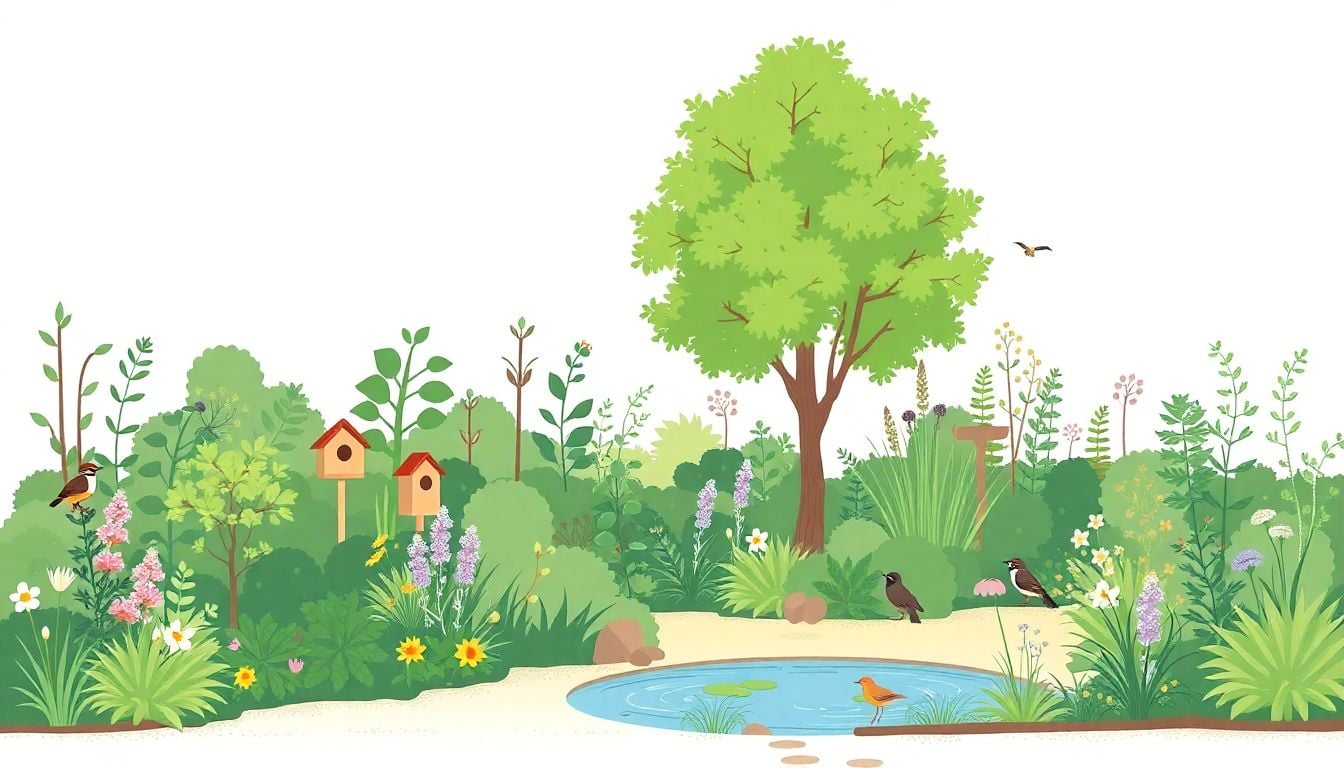
Creating natural habitats involves adding features that provide shelter, nesting sites, and food. Plant densely with native shrubs and trees to offer cover for birds and small mammals.
Incorporate structures like bird nesting boxes, bee hotels, and rock piles as shelter options—place them in safe, quiet spots away from heavy foot traffic. Leaving patches of leaf litter and fallen branches can support insects, which are vital food sources for many creatures.
Design your garden to include diverse microhabitats, such as shaded cool areas, open sunny patches, and moist zones, to accommodate different species’ needs. Small water sources like shallow ponds or birdbaths also attract amphibians and insects.
Prompt for ChatGPT:
“Create a plan for adding habitat features to a garden that support local wildlife, including placement tips and maintenance advice for [your region].”
How to Educate Others About Wildlife-Friendly Gardening
Sharing your passion helps spread the word and encourages more people to support local ecosystems. Start by hosting small workshops or garden tours highlighting native plants and habitat features.
Use your social media or community groups to post about your projects, including tips and before/after photos. Provide easy-to-follow guides on plant selection, tool use, and habitat creation to inspire others.
Create informational signage within your garden explaining the importance of native plants and habitat features, which can be helpful during community events or family visits. Collaborate with local schools or conservation groups to run educational programs or planting days.
Prompt for ChatGPT:
“Help me craft an engaging presentation or social media post that encourages neighbors to start their own wildlife-friendly gardens, focusing on native plants and habitat features.”
FAQs
Native plants are species that naturally occur in your local area. They are beneficial for wildlife as they provide food and habitat, require less maintenance, and are more resilient to local pests and diseases.
Create diverse habitats by including native plants, water sources, and sheltered areas. Incorporate flowering plants for nectar and fruits, and avoid pesticides to promote a healthy ecosystem.
Environmentally friendly practices include using organic fertilizers, composting, mulching, and practicing integrated pest management. These techniques promote soil health and reduce chemical runoff, benefiting both gardens and local wildlife.
Schedule tasks for pruning, weeding, and planting during wildlife-friendly months. Avoid disturbing nests and habitats during peak seasons. Incorporate seasonal checks to monitor the garden’s health and adjust practices accordingly.
Related Articles

Loyalty Program Tiers: AI Ideas For Enhanced Customer Engagement
I know managing loyalty programs can feel overwhelming, especially when trying to keep customers happy and engaged. The good news is, AI ideas for tier systems can make this process much easier and more fun. If you keep reading, I’ll show you how AI can help design, personalize, and automate loyalty tiers, making your program … Read more

Referral Program Copy AI: Boosting Your Business With AI Solutions
Ever wonder how to get more people to join your referral programs without sounding pushy or salesy? You’re not alone. Many businesses struggle to craft the perfect message that encourages sharing yet feels genuine. Keep reading, and you’ll discover how AI can help you create compelling referral copy effortlessly. In just a few minutes, you’ll … Read more

Growth Loop Ideas With AI: Strategies for Business Success
Hey, I get it—growing a business online can feel like a never-ending challenge, especially when figuring out how to keep users coming back. But here’s the good news: AI has some clever tricks up its sleeve that can create what’s called “growth loops”—little engines that fuel your growth automatically. Stick around, and I’ll show you … Read more

Experiment Log AI Template: Benefits, Features, and Guide
Ever tried keeping track of your experiments but felt overwhelmed by messy notes and incomplete data? I get it—staying organized can be a hassle, especially when juggling multiple projects. But don’t worry—there’s a simple way to make logging experiments easier and more accurate. Keep reading, and I’ll show you how using an AI-powered experiment log … Read more

A/B Test Hypothesis AI Templates: Enhance Your Testing Process
If you’re running A/B tests, you know coming up with good hypotheses can be tricky. Sometimes it feels like guessing, and that can slow things down. But what if there was a way to make your hypotheses smarter and easier to create? Keep reading, and I’ll show you how AI templates can help you craft … Read more

Innovation Backlog AI Template: Boosting Your Innovation Process
Ever felt overwhelmed trying to keep track of all your innovation ideas? It’s easy to get lost in the chaos of managing backlog items, especially when everyone’s busy. Keep reading, and I’ll show you how an AI-powered template can make sorting and organizing those ideas a lot simpler. In just a few steps, you’ll be … Read more

Ideation Sprint Agenda AI: Plan, Execute, and Succeed Efficiently
I know many of us find brainstorming sessions a bit chaotic or just not as productive as we’d like. The good news is, using AI in your ideation sprint can help smooth out those rough edges and spark fresh ideas. Stick with me, and I’ll show you how AI tools can make your next session … Read more

Brainstorming Facilitation AI Prompts: Enhance Your Creativity
If you’ve ever felt stuck trying to run creative brainstorming sessions, you’re not alone. It can sometimes be tough to keep ideas flowing or find fresh angles on a problem. But don’t worry—there’s a way to make your sessions more effective and fun. Keep reading, and I’ll show you how AI prompts can be your … Read more

Design Thinking Workshop With AI: Tips, Tools, And Best Practices
Hey there! If the idea of running a design thinking workshop with AI sounds a bit overwhelming, you’re not alone. It’s common to wonder how AI can fit into such a creative process and whether it’ll help or just complicate things. Stick with me, though, and I’ll show you how AI tools—like ChatGPT—can boost your … Read more
Service Blueprint AI Template: Enhance Business Efficiency Today
Getting your service processes straight can feel like a puzzle, especially when trying to keep everyone on the same page. That’s where a Service Blueprint AI Template comes in handy—think of it as a clear map for your customer experience. Keep reading and you might find an easy way to plan, improve, and customize your … Read more

Customer Journey Map AI Template: Enhance Insights and Experience
Ever felt frustrated trying to map out your customers’ journey without the right tools? You’re not alone. Luckily, there’s now an AI-powered customer journey map template that promises to make this process easier and smarter. Keep reading, and I’ll show you how these templates work, their benefits, and how you can start using them to … Read more

Value Chain Analysis AI Guide: Improve Efficiency and Insights
Ever wonder if there’s a smarter way to analyze your company’s value chain without drowning in boring spreadsheets? You’re not alone—many feel stuck with slow, manual methods that just don’t cut it anymore. Stick with me, and I’ll show you how AI can make this process easier, faster, and way more insightful. Keep reading, and … Read more
Last updated: August 21, 2025