Complete AI Prompt Pack
1000+ prompts • $37
If you’ve struggled to figure out how to make your vegetable garden thrive, you’re not alone. Many garden lovers find themselves stuck with questions about layout, choosing the right plants, and keeping pests at bay. But don’t worry—help is just a prompt away! Keep reading, and you’ll discover ChatGPT prompts that can guide you through every step of vegetable gardening. Get ready to turn your garden into a harvesting paradise with tips and plans tailored just for you.
Key Takeaways
- Use specific prompts to design an efficient vegetable garden layout suited to your space.
- Choose vegetables that thrive in your climate by asking climate-specific questions.
- Start seeds effectively with detailed guidance on seed selection, care, and transplanting.
- Test your soil at home and understand nutrient needs with tailored ChatGPT prompts.
- Create organic fertilizer and compost with easy recipes and best practices for healthy soil.

Prompts to Plan Your Vegetable Garden Layout
Designing your vegetable garden in a way that’s efficient and productive matters. Use ChatGPT prompts to get layout ideas tailored to your space and needs. Ask, “Suggest practical vegetable garden layouts for a small backyard.” This will give you plans optimized for limited space while maximizing yields. If you prefer raised beds, try, “Create a design for raised vegetable beds suitable for a compact garden.” This helps in organizing beds for easy access and better soil control. For larger plots, ask, “Recommend an efficient vegetable garden layout for a big backyard that separates different plant zones.” This ensures crop diversity without overcrowding. Wondering about companion planting? Prompt ChatGPT with, “Design a vegetable garden layout that incorporates companion planting for pest control and growth support,” to incorporate helpful plant pairings. To tweak your existing plan, you can say, “Review my garden layout and suggest improvements for better sunlight exposure and airflow.” These prompts make planning easier and help avoid common space-wasting errors.
Prompts for Choosing the Right Vegetables for Your Climate
Picking vegetables that thrive in your climate keeps your garden healthy and productive. You can ask, “What vegetables grow best in USDA zone 7?” to get region-specific suggestions. If you’re unsure about seasonal planting, try, “List vegetables suitable for planting in spring in my climate.” Want to know what to avoid? Use prompts like, “Tell me which vegetables are sensitive to cold snaps in temperate climates.” To figure out the best timing, you could ask, “When is the ideal time to plant tomatoes and peppers in my area?” Thinking about your soil? Prompt ChatGPT with, “Suggest vegetables that grow well in sandy, acidic soil.” These prompts help you match the right crops to your environment, so you get a good harvest without disappointment.
Prompts to Learn How to Start Vegetable Seeds
Starting seeds correctly sets a strong foundation for a bountiful vegetable garden. Ask, “Guide me step-by-step on how to start tomato seeds indoors.” This will give you a clear process, from seed selection to transplanting. Curious about seedling care? Prompt ChatGPT with, “Share tips to care for vegetable seedlings to ensure healthy growth.” For germination tricks, try, “What is the best way to germinate zucchini and cucumber seeds indoors?” Wondering about soil? Ask, “Recommend the ideal soil mix for starting vegetable seeds indoors.” Planning to transplant? Prompt with, “Explain when and how to safely transplant seedlings into the outdoor garden.” These prompts give you actionable steps for successful seed starting, saving you time and frustration.

Prompts for Soil Testing and Fertilization Strategies
Knowing your soil’s nutrient levels is key to healthy vegetable growth. Use ChatGPT prompts to get targeted advice on testing and fertilizing. Ask, “How can I test my garden soil at home for nutrients and pH?” to learn simple testing methods or suitable kits. To interpret results, prompt with, “Explain what my soil test results mean and what amendments I should add.” If your soil is lacking specific nutrients, try, “Recommend organic fertilization plans for nitrogen, phosphorus, and potassium deficiencies.” For targeted fertilization tips, say, “Create a fertilization schedule for a vegetable garden with clay soil.” Improving soil structure? Prompt, “Share techniques to loosen compacted soil and improve aeration for vegetable roots.” This way, you’ll know exactly what your soil needs to support productive crops.
Prompts for Organic Fertilizer and Composting Solutions
Organic fertilizers and compost keep your garden fed without chemicals. Ask ChatGPT, “Suggest easy homemade compost recipes suitable for vegetable gardens.” It can recommend kitchen scraps, straw, manure, or leaf mold, depending on what you have. Want specific nutrient boosts? Prompt with, “What are the best organic amendments to boost nitrogen or phosphorus levels?” To simplify, try, “Give me a step-by-step guide to start composting in my backyard.” For best practices, ask, “How often should I turn my compost to accelerate decomposition?” Using these prompts, you’ll build healthy, nutrient-rich soil that naturally feeds your vegetables, saving money and supporting eco-friendly gardening.

Prompts for Optimizing Your Vegetable Garden for Climate and Season
Getting the timing right for planting and harvesting can make all the difference in your garden’s success. Ask ChatGPT, “Create a planting schedule for [your region] to optimize vegetable yields throughout the year.” This helps you align your planting calendar with local growing seasons and weather patterns. To adapt for upcoming weather changes, prompt with, “Tell me how to adjust my planting plan considering an early frost or unexpected heatwave.” Planning for season extension? Use, “Suggest methods to extend the growing season in a temperate climate, such as row covers or cold frames.” For specific crop advice, try, “When is the best time to plant lettuce and radishes in my area?” These prompts give you a tailored timeline that fits your climate, reducing wasted effort and failed crops.
Prompts to Use When Starting a Composting System
Starting compost is a great way to add organic matter back into your garden. Ask ChatGPT, “Explain step-by-step how to set up a compost bin at home for vegetable scraps.” It can help you choose the right type of compost bin, whether tumbler or pile, and explain how to layer materials effectively. For routine maintenance, prompt with, “Share best practices for turning compost and speeding up decomposition.” Wondering what to add? Use, “List ideal ingredients for composting vegetable waste, greens and browns.” Want to troubleshoot? Ask, “What are common problems in composting, like odors or pests, and how to fix them?” These prompts help you create a steady supply of rich compost that benefits your plants.
Prompts to Manage Your Garden During Absences or Busy Periods
If you’re often away or busy, keeping your garden healthy might seem tricky, but ChatGPT can help. Ask, “Suggest easy-to-implement watering and maintenance routines for a vegetable garden when I’m away for a week.” It can recommend drip irrigation setups, timers, or self-watering containers. To plan your absence, prompt with, “Create a garden care checklist for a two-week vacation.” Looking for low-maintenance crops? Use, “Recommend vegetables that require minimal care and are resilient to neglect.” These prompts give you clear plans to keep your vegetable garden thriving even when you’re not around as much.
Prompts to Enhance Pest and Disease Prevention Strategies
Preventing pests and diseases before they become serious saves you trouble and crop loss. Ask ChatGPT, “Design an integrated pest management plan for a vegetable garden in a warm climate.” It can suggest crop rotation, beneficial insects, and natural repellents. To focus on specific pests, prompt with, “What are effective organic methods to control aphids and tomato hornworms?” Concerned about fungal issues? Use, “How to prevent and treat powdery mildew on cucumbers?” These prompts help you set up proactive strategies that reduce chemical use and keep your plants healthy.
Prompts for Designing Your Garden with Sustainable Practices
Adopting eco-friendly practices makes your garden more resilient and better for the environment. Ask ChatGPT, “Suggest sustainable gardening techniques for vegetable gardens, like water conservation and soil health.” It can recommend composting, mulching, rainwater harvesting, and native plant use. To improve biodiversity, prompt with, “How can I encourage beneficial insects and pollinators in my vegetable garden?” Thinking long-term? Use, “Create a plan for reducing synthetic inputs and increasing organic methods in my garden.” These prompts help you develop a garden that’s productive while respecting nature.
Prompts to Incorporate Vertical Gardening and Space-Saving Ideas
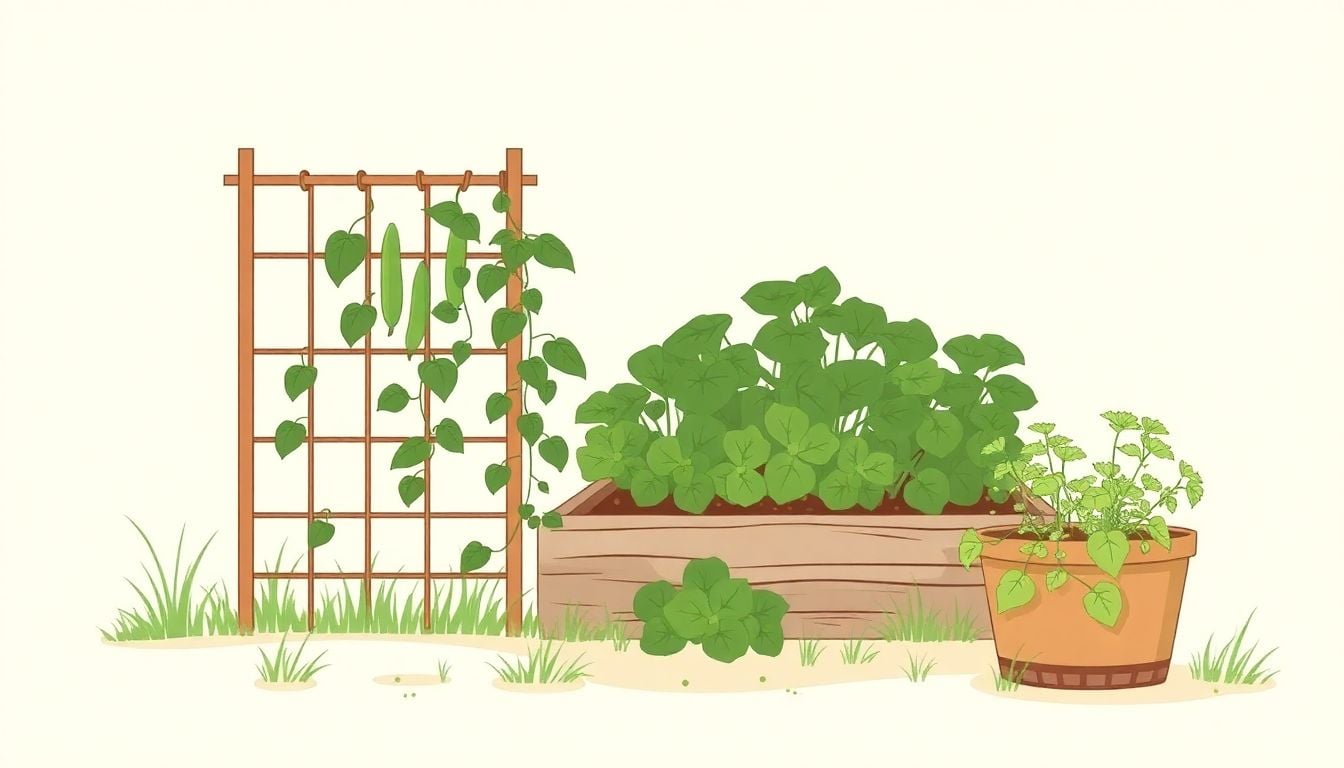
If space is tight, vertical gardening can boost your productivity. Ask ChatGPT, “Suggest creative ways to grow vegetables vertically in a small backyard or balcony.” It can include trellises for beans, cucumbers, or tomatoes. To maximize space, prompt with, “Design a multi-layered planting system for limited garden space, including trellises, hanging baskets, and stacked beds.” Considering container gardening? Use, “Recommend suitable vegetables to grow in containers and tips for container care.” These prompts enable you to grow more in less space and add visual interest to your garden.
FAQs
The best vegetables vary by climate. For example, tomatoes and peppers thrive in warm climates, while broccoli and kale prefer cooler temperatures. Always consider your USDA hardiness zone before selecting vegetables.
To improve your garden soil, add organic matter such as compost or well-rotted manure. Test the pH, aerate, and ensure good drainage to promote nutrient availability and plant health.
Effective pest control methods include introducing beneficial insects, using homemade sprays (like neem oil), and practicing crop rotation. Always keep your garden clean and monitor plants regularly for signs of pests.
The best time to harvest vegetables is when they are mature but still tender. This varies by type, so research individual vegetables. Generally, harvest in the morning when temperatures are cooler for the best quality.
Related Articles

Loyalty Program Tiers: AI Ideas For Enhanced Customer Engagement
I know managing loyalty programs can feel overwhelming, especially when trying to keep customers happy and engaged. The good news is, AI ideas for tier systems can make this process much easier and more fun. If you keep reading, I’ll show you how AI can help design, personalize, and automate loyalty tiers, making your program … Read more

Referral Program Copy AI: Boosting Your Business With AI Solutions
Ever wonder how to get more people to join your referral programs without sounding pushy or salesy? You’re not alone. Many businesses struggle to craft the perfect message that encourages sharing yet feels genuine. Keep reading, and you’ll discover how AI can help you create compelling referral copy effortlessly. In just a few minutes, you’ll … Read more

Growth Loop Ideas With AI: Strategies for Business Success
Hey, I get it—growing a business online can feel like a never-ending challenge, especially when figuring out how to keep users coming back. But here’s the good news: AI has some clever tricks up its sleeve that can create what’s called “growth loops”—little engines that fuel your growth automatically. Stick around, and I’ll show you … Read more

Experiment Log AI Template: Benefits, Features, and Guide
Ever tried keeping track of your experiments but felt overwhelmed by messy notes and incomplete data? I get it—staying organized can be a hassle, especially when juggling multiple projects. But don’t worry—there’s a simple way to make logging experiments easier and more accurate. Keep reading, and I’ll show you how using an AI-powered experiment log … Read more

A/B Test Hypothesis AI Templates: Enhance Your Testing Process
If you’re running A/B tests, you know coming up with good hypotheses can be tricky. Sometimes it feels like guessing, and that can slow things down. But what if there was a way to make your hypotheses smarter and easier to create? Keep reading, and I’ll show you how AI templates can help you craft … Read more

Innovation Backlog AI Template: Boosting Your Innovation Process
Ever felt overwhelmed trying to keep track of all your innovation ideas? It’s easy to get lost in the chaos of managing backlog items, especially when everyone’s busy. Keep reading, and I’ll show you how an AI-powered template can make sorting and organizing those ideas a lot simpler. In just a few steps, you’ll be … Read more

Ideation Sprint Agenda AI: Plan, Execute, and Succeed Efficiently
I know many of us find brainstorming sessions a bit chaotic or just not as productive as we’d like. The good news is, using AI in your ideation sprint can help smooth out those rough edges and spark fresh ideas. Stick with me, and I’ll show you how AI tools can make your next session … Read more

Brainstorming Facilitation AI Prompts: Enhance Your Creativity
If you’ve ever felt stuck trying to run creative brainstorming sessions, you’re not alone. It can sometimes be tough to keep ideas flowing or find fresh angles on a problem. But don’t worry—there’s a way to make your sessions more effective and fun. Keep reading, and I’ll show you how AI prompts can be your … Read more

Design Thinking Workshop With AI: Tips, Tools, And Best Practices
Hey there! If the idea of running a design thinking workshop with AI sounds a bit overwhelming, you’re not alone. It’s common to wonder how AI can fit into such a creative process and whether it’ll help or just complicate things. Stick with me, though, and I’ll show you how AI tools—like ChatGPT—can boost your … Read more
Service Blueprint AI Template: Enhance Business Efficiency Today
Getting your service processes straight can feel like a puzzle, especially when trying to keep everyone on the same page. That’s where a Service Blueprint AI Template comes in handy—think of it as a clear map for your customer experience. Keep reading and you might find an easy way to plan, improve, and customize your … Read more

Customer Journey Map AI Template: Enhance Insights and Experience
Ever felt frustrated trying to map out your customers’ journey without the right tools? You’re not alone. Luckily, there’s now an AI-powered customer journey map template that promises to make this process easier and smarter. Keep reading, and I’ll show you how these templates work, their benefits, and how you can start using them to … Read more

Value Chain Analysis AI Guide: Improve Efficiency and Insights
Ever wonder if there’s a smarter way to analyze your company’s value chain without drowning in boring spreadsheets? You’re not alone—many feel stuck with slow, manual methods that just don’t cut it anymore. Stick with me, and I’ll show you how AI can make this process easier, faster, and way more insightful. Keep reading, and … Read more
Last updated: September 3, 2025