Complete AI Prompt Pack
1000+ prompts • $37
If you’ve ever felt overwhelmed by the vast world of folklore, you’re not alone. Many of us want to unleash our creativity but struggle with where to start or how to bring fresh perspectives to these timeless tales. It can be daunting to think about reinterpreting stories that have been passed down for generations.
But don’t worry! In this blog, we’ll explore a treasure trove of ChatGPT prompts specifically designed to spark your imagination. Stick around, and you’ll discover how to modernize classic tales, create new characters, and even mash up different cultures in your storytelling.
Get ready to dive in as we guide you through crafting unique folklore reinterpretations that not only honor tradition but also breathe new life into them!
Key Takeaways
- Feeling stuck with folklore? Use specific prompts to ignite your imagination and give classic tales a fresh twist.
- Tailor existing stories to modern settings; for example, turn Cinderella into a tech entrepreneur or Peter Pan into a struggling adult.
- Create new characters by reimagining folklore heroes and villains, or develop creatures with their unique backstories.
- Mashup different cultural tales to celebrate diversity and create unique narratives (e.g., combine Momotaro and Paul Bunyan).
- Explore and reinterpret core themes from folklore to make them relatable to today’s audience.
- Experiment with alternate endings to classic tales for new insights and perspectives.
- Use folklore as inspiration for poetry, capturing emotions and imagery tied to various tales.

Best ChatGPT Prompts for Folklore Reinterpretations
If you’re looking to breathe new life into classic folktales, using the right prompts can be incredibly helpful.
Folklore reinterpretations require a mix of creativity and context recognition. Here are some effective prompts you can instantly use:
- “Reimagine Little Red Riding Hood as a detective in a modern city. How does her story unfold?”
- “Transform the story of The Tortoise and the Hare into a competitive reality TV show format. What new dynamics emerge?”
- “Create a new ending for the story of Jack and the Beanstalk that focuses on environmental themes.”
- “Explore a world where the Gingerbread Man is an antihero. Write his motivations and conflicts.”
How to Use Prompts for Unique Folklore Stories
Using prompts effectively is key to crafting unique folklore stories. Start by selecting a classic tale that resonates with you.
Here are some actionable steps to get started:
- Identify the core theme: What lesson or emotion does the original folklore evoke?
- Choose a prompt that shifts the context: For instance, try “Set Cinderella in a dystopian future where fairy godmothers are outlawed.”
- Incorporate personal elements: Use prompts that allow for personal experiences, like “Write a version of The Three Little Pigs where the houses represent different values you hold.”
- Workshop your ideas: Use ChatGPT to brainstorm additional twists with prompts like, “What if the Big Bad Wolf had a secret life?”
Prompts for Modernizing Classic Tales
Modernizing classic tales is a fun way to connect with contemporary audiences.
Here are some tailored prompts that can help you with this process:
- “Turn the story of Peter Pan into a narrative about a middle-aged man struggling with adulthood.”
- “Imagine Snow White as a female tech entrepreneur facing corporate challenges.”
- “Adapt The Frog Prince into a story around online dating and personal growth.”
- “Write a version of Beauty and the Beast set in a post-apocalyptic world where love blossoms amid survival.”
Creating New Characters through Folklore Prompts
Folklore is rich with archetypes, making it an ideal playground for character creation.
If you want to develop unique characters, consider the following prompts:
- “Create a new character who is a sidekick to an existing folklore hero. What are their strengths and weaknesses?”
- “Design a villain for the myth of Hercules who represents modern societal issues.”
- “Imagine a creature from folklore that has never been explored. What is its backstory and influence on local culture?”
- “Transform a folklore character into a speculative fiction protagonist. How do their original traits translate?”
For more tips on effective prompts, check out our article on ChatGPT Prompts for Creative Writing. If you’re seeking ways to engage younger audiences in writing, see our post on Prompts for Kids Writing.

Prompts for Cultural Mashups in Folktales
Cultural mashups in folktales allow you to celebrate diversity while creating something entirely new.
These prompts can help blend different cultural elements seamlessly:
- “Create a story that combines the Japanese tale of Momotaro with the North American legend of Paul Bunyan. What adventures do they embark on together?”
- “Imagine a version of The Three Billy Goats Gruff where the goats are from different cultures. How do their backgrounds influence their strategy against the troll?”
- “Write a mashup of the African tale about Anansi the spider with the European story of Rumpelstiltskin. What unique twists arise from their meeting?”
- “Reimagine the tale of Cinderella with elements from an Indian folktale like Chhota Bheem. How does the setting change the story?”
Exploring Themes in Folklore with ChatGPT Prompts
Themes in folklore often reflect societal norms, morals, and lessons that have resonated through generations.
Using prompts to explore these themes can deepen your storytelling:
- “Analyze the theme of betrayal in the story of The Boy Who Cried Wolf. How would it change if the wolf were misunderstood rather than villainous?”
- “Explore the theme of transformation in the story of Beauty and the Beast. How can this theme relate to personal growth in today’s society?”
- “Investigate the moral lesson in The Ugly Duckling. Write an alternate version that emphasizes the importance of self-acceptance.”
- “Consider the theme of greed in the tale of Ali Baba and the Forty Thieves. Create a new story that reshapes this theme into a cautionary tale for modern audiences.”
Prompts that Encourage Alternate Endings in Folklore
Alternate endings in folklore allow for creative freedom and exploration of different outcomes.
These prompts can inspire fresh takes on well-known stories:
- “Rewrite the ending of The Little Mermaid where she chooses to remain in the ocean. What consequences does this decision have for her and the prince?”
- “Imagine a version of The Little Red Hen where the hen decides to share her bread with her lazy friends. What happens next?”
- “Create an alternative ending for Rapunzel where she teams up with the witch for their escape. How does this change their relationship?”
- “Transform the ending of The Boy Who Cried Wolf to one where he finally tells the truth. What happens when the villagers respond?”
Using ChatGPT Prompts for Folklore-inspired Poetry
Folklore is rich with imagery and emotion, making it perfect for poetry.
Here are some prompts to help you craft folklore-inspired poems:
- “Write a poem that captures the essence of autumn using imagery from the tale of The Harvest Moon.”
- “Pen a haiku inspired by the tale of The Butterfly Lovers, focusing on themes of love and loss.”
- “Compose a free verse poem about the journey of a trickster, incorporating elements from various folklore around the world.”
- “Create a limerick about a mischievous fox from folklore, highlighting its cleverness and charm.”

Interactive Prompts for Collaborative Folklore Writing
Collaborative writing can be a fun way to engage with others while exploring folklore.
Here are some interactive prompts to kickstart group storytelling sessions:
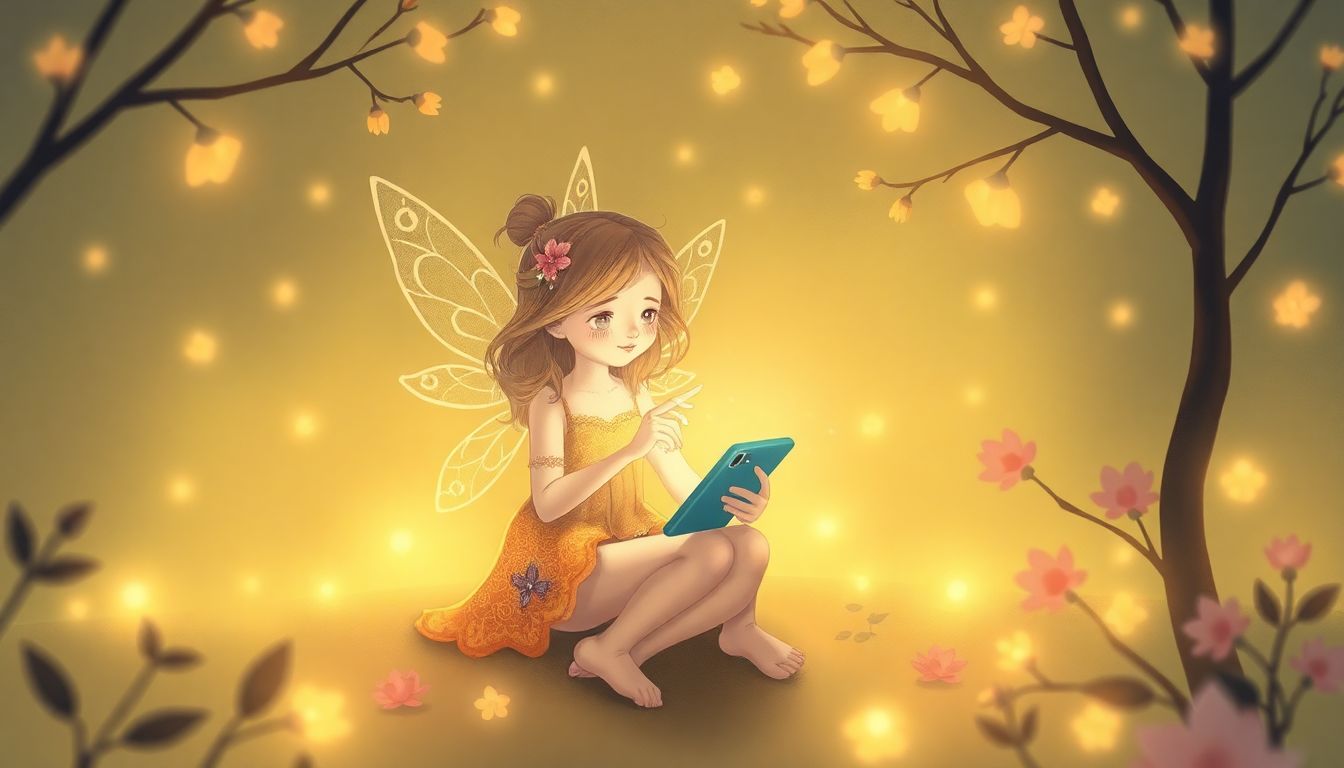
- “Gather a group and create a modern folktale together. Start with the prompt: ‘What if fairies lived in our smartphones?’”
- “Write a story where each person adds a paragraph, beginning with ‘In a world where every folktale is true, what challenge must our heroes face?’”
- “Design a character together based on the prompt: ‘Combine a folk hero from your culture with a modern-day profession. Who is this person and what do they do?’”
- “As a team, retell an existing folktale by taking turns changing one key element at a time. Start with the prompt: ‘What if the wolf in Little Red Riding Hood was actually trying to help?’”
Prompts to Analyze Moral Lessons in Folktales
Analyzing the moral lessons in folktales can provide valuable insights and spark deep discussions.
Try these prompts to dissect the morals in classic stories:
- “Examine the moral of The Boy Who Cried Wolf. Discuss how it applies in today’s world: ‘What are some consequences of dishonesty in our society?’”
- “Reflect on the story of The Ant and the Grasshopper. Create a new version that changes the moral: ‘What if the grasshopper was rewarded for its creativity instead of the ant for hard work?’”
- “Choose a folktale with a strong moral lesson and rewrite it from the perspective of the antagonist. For example: ‘What would the wolf in The Three Little Pigs say about its own actions?’”
- “Discuss the lessons from Cinderella. How could they relate to issues of fairness and privilege today? Rewrite a part of the story based on this analysis.”
Tips for Customizing Folklore Prompts for Your Audience
Customizing prompts can make your folklore storytelling more engaging for specific audiences.
Here are some effective tips to tailor your prompts:
- Know your audience: Consider their age, interests, and backgrounds. Are they children, teens, or adults?
- Use familiar references: Incorporate themes, characters, or settings relevant to your audience. For instance, “Adapt the story of The Little Mermaid to include aspects of your audience’s local culture.”
- Make it relatable: Frame prompts in ways that connect with personal experiences. Try, “Share a tale about siblings that reflects your own family dynamic, inspired by the story of The Elves and the Shoemaker.”
- Incorporate modern technology: Use prompts that resonate with contemporary issues, like “If the Pied Piper were a social media influencer, how would the story evolve?”
FAQs
To modernize classic folklore tales, consider prompts that place characters in contemporary settings, explore modern dilemmas, or incorporate current social issues. This can create relatable narratives while retaining core themes of original tales.
To create new characters from folklore prompts, analyze existing archetypes and mix diverse traits, motivations, and backgrounds. Prompts focused on character challenges or goals can guide you in crafting unique, engaging personas in folklore contexts.
To encourage alternate endings in folklore, use prompts that pose “what if” scenarios or encourage character choices that diverge from the original plot. This invites creative exploration of different outcomes and moral implications.
Customizing folklore prompts involves considering your audience’s cultural background, age, and interests. Tailor the themes, language, and character types to resonate, ensuring the material is engaging and relevant to their experiences.
Related Articles

Loyalty Program Tiers: AI Ideas For Enhanced Customer Engagement
I know managing loyalty programs can feel overwhelming, especially when trying to keep customers happy and engaged. The good news is, AI ideas for tier systems can make this process much easier and more fun. If you keep reading, I’ll show you how AI can help design, personalize, and automate loyalty tiers, making your program … Read more

Referral Program Copy AI: Boosting Your Business With AI Solutions
Ever wonder how to get more people to join your referral programs without sounding pushy or salesy? You’re not alone. Many businesses struggle to craft the perfect message that encourages sharing yet feels genuine. Keep reading, and you’ll discover how AI can help you create compelling referral copy effortlessly. In just a few minutes, you’ll … Read more

Growth Loop Ideas With AI: Strategies for Business Success
Hey, I get it—growing a business online can feel like a never-ending challenge, especially when figuring out how to keep users coming back. But here’s the good news: AI has some clever tricks up its sleeve that can create what’s called “growth loops”—little engines that fuel your growth automatically. Stick around, and I’ll show you … Read more

Experiment Log AI Template: Benefits, Features, and Guide
Ever tried keeping track of your experiments but felt overwhelmed by messy notes and incomplete data? I get it—staying organized can be a hassle, especially when juggling multiple projects. But don’t worry—there’s a simple way to make logging experiments easier and more accurate. Keep reading, and I’ll show you how using an AI-powered experiment log … Read more

A/B Test Hypothesis AI Templates: Enhance Your Testing Process
If you’re running A/B tests, you know coming up with good hypotheses can be tricky. Sometimes it feels like guessing, and that can slow things down. But what if there was a way to make your hypotheses smarter and easier to create? Keep reading, and I’ll show you how AI templates can help you craft … Read more

Innovation Backlog AI Template: Boosting Your Innovation Process
Ever felt overwhelmed trying to keep track of all your innovation ideas? It’s easy to get lost in the chaos of managing backlog items, especially when everyone’s busy. Keep reading, and I’ll show you how an AI-powered template can make sorting and organizing those ideas a lot simpler. In just a few steps, you’ll be … Read more

Ideation Sprint Agenda AI: Plan, Execute, and Succeed Efficiently
I know many of us find brainstorming sessions a bit chaotic or just not as productive as we’d like. The good news is, using AI in your ideation sprint can help smooth out those rough edges and spark fresh ideas. Stick with me, and I’ll show you how AI tools can make your next session … Read more

Brainstorming Facilitation AI Prompts: Enhance Your Creativity
If you’ve ever felt stuck trying to run creative brainstorming sessions, you’re not alone. It can sometimes be tough to keep ideas flowing or find fresh angles on a problem. But don’t worry—there’s a way to make your sessions more effective and fun. Keep reading, and I’ll show you how AI prompts can be your … Read more

Design Thinking Workshop With AI: Tips, Tools, And Best Practices
Hey there! If the idea of running a design thinking workshop with AI sounds a bit overwhelming, you’re not alone. It’s common to wonder how AI can fit into such a creative process and whether it’ll help or just complicate things. Stick with me, though, and I’ll show you how AI tools—like ChatGPT—can boost your … Read more
Service Blueprint AI Template: Enhance Business Efficiency Today
Getting your service processes straight can feel like a puzzle, especially when trying to keep everyone on the same page. That’s where a Service Blueprint AI Template comes in handy—think of it as a clear map for your customer experience. Keep reading and you might find an easy way to plan, improve, and customize your … Read more

Customer Journey Map AI Template: Enhance Insights and Experience
Ever felt frustrated trying to map out your customers’ journey without the right tools? You’re not alone. Luckily, there’s now an AI-powered customer journey map template that promises to make this process easier and smarter. Keep reading, and I’ll show you how these templates work, their benefits, and how you can start using them to … Read more

Value Chain Analysis AI Guide: Improve Efficiency and Insights
Ever wonder if there’s a smarter way to analyze your company’s value chain without drowning in boring spreadsheets? You’re not alone—many feel stuck with slow, manual methods that just don’t cut it anymore. Stick with me, and I’ll show you how AI can make this process easier, faster, and way more insightful. Keep reading, and … Read more
Last updated: February 12, 2025