Complete AI Prompt Pack
1000+ prompts • $37
If you’re new to composting, it’s easy to feel overwhelmed—what can you toss in, and how do you keep it working right? Don’t worry, you’re not alone! If you keep reading, you’ll find simple, practical tips that turn this eco-friendly habit into a breeze. Whether you have a small balcony or a backyard, I’ll guide you through the basics and help your compost thrive from day one.
Key Takeaways
- Pick a location for your compost—backyard, balcony, or kitchen container.
- Balance greens (kitchen scraps) and browns (dry leaves) in a 3:1 ratio.
- Turn your compost every 2-3 weeks to add oxygen and speed up decomposition.
- Keep moisture levels damp; aim for a consistency like a wrung-out sponge.
- Avoid adding meat, dairy, and diseased plants to prevent pests and odors.
- Use a compost thermometer to monitor temperatures between 130°F and 160°F.
- Consider bin types based on space and needs—like tumbling or sealed containers.
- Add bedding materials like straw or shredded paper to improve airflow and moisture control.

Best Composting Tips for Beginners
If you’re just getting started with composting, the key is keeping it simple and staying consistent. Start with a clear plan: choose a spot in your yard or a suitable container for your compost pile. Don’t worry about making it perfect—your compost will improve over time as long as you’re patient. Keep a good balance of green and brown materials; greens like fruit scraps and grass clippings provide nitrogen, while browns like leaves and cardboard supply carbon. To keep things happy and active, turn your compost every couple of weeks to introduce oxygen, which helps microbes break down material faster. Maintain moisture levels similar to a damp sponge; too wet can cause odor, while too dry slows decomposition. Remember to cover your pile if it’s exposed to heavy rain or direct sun to regulate temperature and moisture. If your compost starts smelling sour, it’s a sign of excess greens or poor aeration—just turn it and add more browns. Avoid adding weeds with seeds or diseased plants to prevent contamination. Using a compost thermometer can guide you; aim for temperatures between 130°F and 160°F for faster decomposition. Want more personalized tips? Use this ChatGPT prompt:
Generate beginner-friendly composting tips that include balancing green and brown materials, turning frequency, moisture control, and troubleshooting odor issues.
How to Start Composting at Home
Starting composting at home is easier than it seems, and you don’t need a big yard or fancy equipment. First, pick a location—either in your backyard, on a balcony, or even in a small container in your kitchen. If you opt for an outdoor bin, choose one that’s well-ventilated and fits your space and budget. For indoor composting, a countertop compost bin with a lid works well for kitchen scraps. Next, gather your initial materials—kitchen waste like vegetable peels and coffee grounds, along with yard waste if available. Layer green materials with brown ones to start building your compost pile or bin. Ensure proper airflow by aerating your pile regularly, at least once every two weeks. Keep your compost moist, not soaking wet; cover it during heavy rain or dry spells. To speed things up, chop larger items into smaller pieces before adding them. Regularly monitor temperature and moisture levels, and adjust as needed. Want to streamline your process? Copy and paste this prompt into ChatGPT:
Provide a step-by-step guide for beginners to start composting at home, including location tips, equipment choices, layering materials, and maintenance routines.
What Materials Can You Compost?
Understanding what you can toss into your compost bin is crucial for successful composting. Generally, compostable materials fall into two groups: greens and browns. Greens include kitchen scraps like vegetable peelings, fruit leftovers, coffee grounds, and eggshells. Browns are dry materials like fallen leaves, shredded newspaper, cardboard, straw, and dried grass. Avoid composting meat, dairy, fats, bones, and oily foods—they attract pests and cause odors. Also, steer clear of diseased plants, weeds with seeds, and treated wood or synthetic materials. To keep your compost balanced, aim for roughly three parts browns to one part greens by volume. Incorporate small amounts of manure or coffee grounds to boost nitrogen if needed. Using this ChatGPT prompt can help you generate an exhaustive list:
List all suitable green and brown materials for composting, including common kitchen scraps, yard waste, and exceptions to avoid.
Tips for Maintaining a Healthy Compost Pile
Keeping your compost pile healthy involves paying attention to a few simple factors. First, regularly turn the pile every 2-3 weeks to introduce oxygen, which accelerates decomposition. Make sure to keep the moisture level damp—like a wrung-out sponge—adding water if it feels dry or covering it during storms. Balance green and brown materials to prevent the pile from becoming overly nitrogen-rich, which can cause smells and slow down the process. Proper aeration also prevents compaction; don’t just shove materials in and forget about it. If you notice foul odors, turn the pile and add more browns. Pests can be kept at bay by avoiding meat scraps and sealing your bin tightly. Keep an eye on temperature using a compost thermometer; healthy compost should reach 130°F to 160°F for active decomposition. If your compost looks dry or stagnant, add fresh greens or water to jump-start microbial activity. Want tailored advice? Paste this prompt into ChatGPT:
Give tips for maintaining a healthy compost pile, focusing on aeration, moisture, balancing materials, and pest prevention.
—
Please let me know if you’d like me to continue with the next sections or include specific links to your other posts!

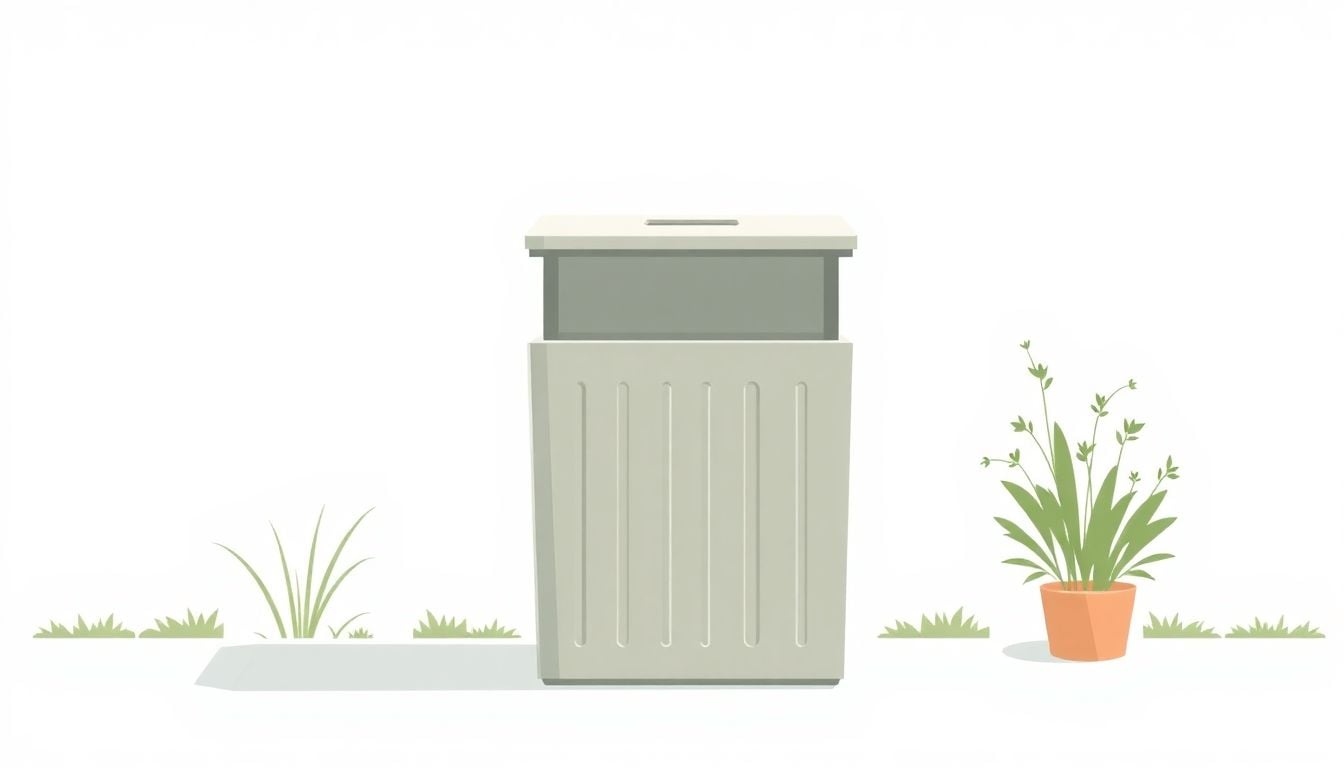
Choosing the Right Compost Bin for Your Space
Picking the right compost bin boils down to your available space, budget, and how hands-on you want to be. If you have a yard, a tumbling compost bin can make turning easier and speed up decomposition. These are great because they allow you to spin the bin without lifting heavy loads, saving time and effort. For those with limited space, like a balcony or small backyard, a compact, sealed container with a lid works fine—just make sure it has proper ventilation to prevent odors. Indoor compost bins are ideal if you’re composting kitchen scraps regularly; look for one with odor filters and a tight lid. Plastic bins are durable and easy to clean, but wooden bins blend well into garden landscapes and can naturally breathe better. If pests are a concern, opt for a bin with secure, locking lids to keep critters out. Consider features like drainage holes, stackability, or sections for different composting stages to keep your process smooth. Want tailored advice? Copy this prompt into ChatGPT:
Compare different types of compost bins, including outdoor tumblers, sealed containers, and indoor models, highlighting features, pros, and cons for each.
How to Use Compost Bedding or Additives for Better Results
Adding bedding or certain natural additives can help maintain balance, improve airflow, and boost microbial activity. For outdoor compost piles, incorporating straw, shredded leaves, or sawdust can serve as bedding material that absorbs excess moisture and prevents compaction. This creates a more forgiving environment for microbes, especially in wetter weather. Inside compost bins, adding a handful of shredded newspaper or cardboard helps with carbon and aeration. Using compost starters, such as commercially available activators or old compost, introduces beneficial microbes to kick-start the process, especially if your pile is slow. Some gardeners swear by adding crushed eggshells or agricultural lime to buffer acidity and add calcium, improving plant health once the compost is finished. Be cautious with additives like charcoal or synthetic products—stick with natural materials to keep your compost organic and safe for plants. Want some expert tips? Copy this prompt into ChatGPT:
List effective bedding materials and natural additives for composting, explaining their benefits and best use scenarios.

Choosing the Right Compost Bin for Your Space
Picking the best compost bin depends on where you have space and how much effort you want to put in.
If you have a yard, a tumbling compost bin can make turning compost easier and speeding up the breakdown process.
These bins spin easily, so you don’t have to lift heavy materials, which saves your back and time.
For small yards, balconies, or patios, a compact, sealed container with a lid works well—just ensure it has proper ventilation to prevent smell buildup.
Indoor compost bins are a good option if you’re mainly composting kitchen scraps; look for ones with odor filters and secure lids.
Materials matter too—plastic bins are sturdy and easy to clean, while wooden options can look nicer in your garden and breathe better naturally.
If pests are an issue, go for a bin with a tight-fitting lid that locks in smells and keeps critters out.
Additional features like drainage holes help prevent excess moisture, while sections or stacking options help manage different stages of composting.
Remember, choosing the right bin makes the process more manageable and keeps your composting experience smooth and enjoyable.
How to Use Compost Bedding or Additives for Better Results
Adding bedding materials and natural additives can boost microbial activity, improve airflow, and keep your compost healthy.
For outdoor piles, incorporating straw, shredded leaves, or sawdust helps soak up excess moisture and prevents the pile from compacting.
This creates a better environment for microbes to do their work and speeds up decomposition.
In indoor bins, shredded newspaper, cardboard, or dried grass can serve as bedding and help balance moisture and carbon levels.
Using compost starters or activators—either store-bought or old compost—can introduce beneficial microbes right from the start or give your sluggish pile a boost.
Adding crushed eggshells or a bit of agricultural lime can buffer acidity and supply calcium, which is good for plant growth when composting vegetables.
Stick with natural, organic additives—avoid synthetic materials or chemicals, which can harm helpful microbes.
Following these tips ensures your compost remains active, prevents odors, and produces rich soil much faster.
FAQs
Composting is the process of recycling organic material, such as kitchen scraps and yard waste, into a nutrient-rich soil amendment. It reduces landfill waste, enriches soil, and promotes sustainable gardening practices.
The composting process can take anywhere from a few weeks to several months, depending on factors like materials used, moisture levels, temperature, and aeration. Maintaining optimal conditions can speed up the process.
Avoid composting meat, dairy, oily foods, and pet waste, as these can attract pests and create odors. Also, steer clear of treated wood and diseased plants, which can harm your compost and garden.
Your compost is ready when it has a dark, crumbly texture, an earthy smell, and no recognizable food scraps. This typically indicates that the decomposition process is complete and it’s safe for garden use.
Related Articles

Loyalty Program Tiers: AI Ideas For Enhanced Customer Engagement
I know managing loyalty programs can feel overwhelming, especially when trying to keep customers happy and engaged. The good news is, AI ideas for tier systems can make this process much easier and more fun. If you keep reading, I’ll show you how AI can help design, personalize, and automate loyalty tiers, making your program … Read more

Referral Program Copy AI: Boosting Your Business With AI Solutions
Ever wonder how to get more people to join your referral programs without sounding pushy or salesy? You’re not alone. Many businesses struggle to craft the perfect message that encourages sharing yet feels genuine. Keep reading, and you’ll discover how AI can help you create compelling referral copy effortlessly. In just a few minutes, you’ll … Read more

Growth Loop Ideas With AI: Strategies for Business Success
Hey, I get it—growing a business online can feel like a never-ending challenge, especially when figuring out how to keep users coming back. But here’s the good news: AI has some clever tricks up its sleeve that can create what’s called “growth loops”—little engines that fuel your growth automatically. Stick around, and I’ll show you … Read more

Experiment Log AI Template: Benefits, Features, and Guide
Ever tried keeping track of your experiments but felt overwhelmed by messy notes and incomplete data? I get it—staying organized can be a hassle, especially when juggling multiple projects. But don’t worry—there’s a simple way to make logging experiments easier and more accurate. Keep reading, and I’ll show you how using an AI-powered experiment log … Read more

A/B Test Hypothesis AI Templates: Enhance Your Testing Process
If you’re running A/B tests, you know coming up with good hypotheses can be tricky. Sometimes it feels like guessing, and that can slow things down. But what if there was a way to make your hypotheses smarter and easier to create? Keep reading, and I’ll show you how AI templates can help you craft … Read more

Innovation Backlog AI Template: Boosting Your Innovation Process
Ever felt overwhelmed trying to keep track of all your innovation ideas? It’s easy to get lost in the chaos of managing backlog items, especially when everyone’s busy. Keep reading, and I’ll show you how an AI-powered template can make sorting and organizing those ideas a lot simpler. In just a few steps, you’ll be … Read more

Ideation Sprint Agenda AI: Plan, Execute, and Succeed Efficiently
I know many of us find brainstorming sessions a bit chaotic or just not as productive as we’d like. The good news is, using AI in your ideation sprint can help smooth out those rough edges and spark fresh ideas. Stick with me, and I’ll show you how AI tools can make your next session … Read more

Brainstorming Facilitation AI Prompts: Enhance Your Creativity
If you’ve ever felt stuck trying to run creative brainstorming sessions, you’re not alone. It can sometimes be tough to keep ideas flowing or find fresh angles on a problem. But don’t worry—there’s a way to make your sessions more effective and fun. Keep reading, and I’ll show you how AI prompts can be your … Read more

Design Thinking Workshop With AI: Tips, Tools, And Best Practices
Hey there! If the idea of running a design thinking workshop with AI sounds a bit overwhelming, you’re not alone. It’s common to wonder how AI can fit into such a creative process and whether it’ll help or just complicate things. Stick with me, though, and I’ll show you how AI tools—like ChatGPT—can boost your … Read more
Service Blueprint AI Template: Enhance Business Efficiency Today
Getting your service processes straight can feel like a puzzle, especially when trying to keep everyone on the same page. That’s where a Service Blueprint AI Template comes in handy—think of it as a clear map for your customer experience. Keep reading and you might find an easy way to plan, improve, and customize your … Read more

Customer Journey Map AI Template: Enhance Insights and Experience
Ever felt frustrated trying to map out your customers’ journey without the right tools? You’re not alone. Luckily, there’s now an AI-powered customer journey map template that promises to make this process easier and smarter. Keep reading, and I’ll show you how these templates work, their benefits, and how you can start using them to … Read more

Value Chain Analysis AI Guide: Improve Efficiency and Insights
Ever wonder if there’s a smarter way to analyze your company’s value chain without drowning in boring spreadsheets? You’re not alone—many feel stuck with slow, manual methods that just don’t cut it anymore. Stick with me, and I’ll show you how AI can make this process easier, faster, and way more insightful. Keep reading, and … Read more
Last updated: August 21, 2025