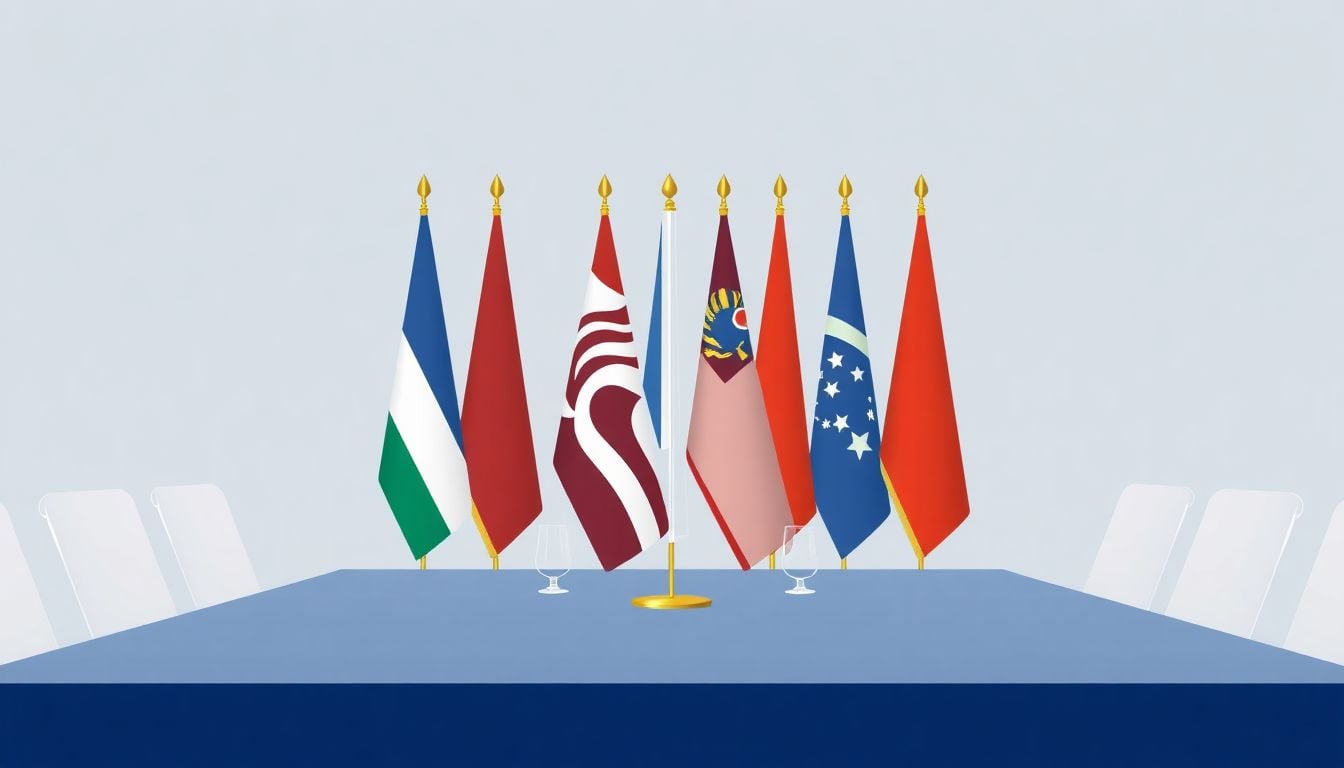
Complete AI Prompt Pack
1000+ prompts • $37
I get it—diplomatic talk can be tricky, and choosing the right words is crucial. When communication doesn’t hit the mark, misunderstandings can happen fast. But what if there was a way to craft clear, respectful messages without the usual stress? If you keep reading, I’ll show you how ChatGPT can be a game-changer for making diplomatic chats more effective and smooth. Soon, you’ll see how this tool can help you communicate with confidence and finesse.
Key Takeaways
- ChatGPT can help draft clear and respectful diplomatic messages, saving time and reducing errors.
- Use specific prompts to generate different message versions for tailored communication with various audiences.
- Focus on clarity and politeness in international talks to build goodwill and avoid misunderstandings.
- Break complex requests into steps to help ChatGPT create more detailed responses that cover all necessary elements.
- Utilize ChatGPT as an editing tool to refine your diplomatic content, ensuring the right tone and professionalism.

Using ChatGPT to Draft Diplomacy Messages and Statements
Crafting diplomatic messages can be tricky—tone, clarity, and cultural sensitivity all matter. ChatGPT can help generate initial drafts that capture the right level of formality and respect. For example, you can ask: “Draft a formal statement expressing willingness to strengthen bilateral ties.” This instantly gives you a solid starting point to refine. To make your messages sound professional yet approachable, try prompts like: “Create a diplomatic message emphasizing mutual interests with a respectful tone.” For more specific needs, you could say: “Write a statement addressing concerns about climate cooperation between two nations.” These prompts save time and reduce drafting errors, especially when you need quick, respectful responses.
Want to go beyond simple drafts? Use ChatGPT to produce different versions, so you can choose the most appropriate tone. For example, ask: “Generate three variations of a diplomatic message about trade negotiations, ranging from formal to slightly more conversational.” This way, you have options tailored to your audience. Remember, the goal is to communicate clearly and respectfully, and ChatGPT can serve as a helpful co-writer, not a replacement for your diplomatic judgment.
Here are some ready-to-copy prompts you can use directly with ChatGPT for diplomatic drafting:
- “Draft a diplomatic message reaffirming commitment to peace talks with a respectful tone.”
- “Write a formal statement accepting a proposal for international aid with diplomatic language.”
- “Create a courteous note expressing concern over recent trade disagreements.”
- “Generate a diplomatic response to a contentious news article, maintaining professionalism.”
- “Help me draft a speech outline for a peace negotiation meeting.”
Creating Clear and Respectful Language for International Talks
When working across borders, choosing words that are both clear and respectful is crucial. ChatGPT can assist in crafting language that avoids misunderstandings and fosters goodwill. Say goodbye to awkward phrasing—prompt: “Help me write a clear, respectful opening statement for a diplomatic summit.” This ensures your communication sets a cooperative tone right from the start. If you want to emphasize politeness, you might ask: “Rephrase this paragraph to sound more courteous and diplomatically appropriate.”
Sometimes, diplomatic language needs to strike a balance—being firm yet respectful. You can prompt ChatGPT: “Explain a complex policy position to an international audience in simple, respectful language.” This helps streamline jargon and keeps messages accessible to a broad audience. To improve clarity, requests like: “Summarize key diplomatic points in a concise and respectful manner,” are particularly useful.
Using these prompts regularly can help you develop a style that’s diplomatic and straightforward, which is vital for international talks. Remember, precise and considerate wording can make all the difference in reducing misunderstandings and building trust between parties.
Looking for quick ways to improve your diplomatic language? Here are some prompts you might copy and use:
- “Reword this statement to make it more polite and diplomatic.”
- “Draft a respectful reply to a complaint from an ally.”
- “Summarize complex negotiation points in clear, diplomatic language.”
- “Help me write an opening paragraph for a UN speech that emphasizes cooperation.”
- “Create an apology note that maintains respect and professionalism.”
By using ChatGPT in these ways, your communication can become more consistent, respectful, and effective—key ingredients for successful diplomacy.

Crafting Effective Prompts to Maximize ChatGPT’s Potential in Diplomacy
Crafting the perfect prompt is key to getting useful and precise outputs from ChatGPT. The trick is to be specific and clear about what you want. Start by defining the context and purpose of your message. Instead of asking, “Write a diplomatic statement,” try: “Draft a formal diplomatic statement expressing willingness to collaborate on climate initiatives, emphasizing mutual benefits, in a respectful tone.” This helps ChatGPT understand exactly the tone and content you’re after.
Break down complex requests into steps within your prompt. For example: “Generate a diplomatic email that introduces a new partnership, politely requests a meeting, and highlights shared goals.” This way, ChatGPT knows to cover multiple components without missing the details.
Use directives that specify style, tone, and length. For example: “Create a concise, respectful opening paragraph for an international summit speech, suitable for a formal diplomatic audience.”
To get multiple options, ask for variations. For example: “Provide three versions of a message about trade agreements—one very formal, one slightly casual, and one neutral.” This gives you a choice based on your audience’s preferences.
For scenario-specific prompts, be explicit: “Simulate a negotiation between two countries discussing border security, with each side maintaining a diplomatic tone.”
Remember, the clearer you are, the better the output. Here are some ready-to-copy prompt templates to try:
- “Generate a diplomatic message proposing a temporary ceasefire, emphasizing peace and respect for sovereignty.”
- “Write a formal announcement about a new international environmental treaty, highlighting shared responsibilities.”
- “Create a respectful letter thanking an ally for their support during recent negotiations.”
- “Draft a speech opening for a UN General Assembly address calling for global cooperation on health crises.”
- “Simulate a polite but firm response to an international criticism about trade policies, maintaining diplomatic decorum.”
Using ChatGPT to Analyze and Improve Your Diplomatic Content
Looking to refine your diplomatic texts? ChatGPT can be a handy editor that points out areas for improvement. Start by pasting your speech, statement, or email, and ask: “Review this diplomatic message for clarity, tone, and professionalism. Suggest improvements.”
It’s often helpful to specify what you want to improve—whether it’s making the language more formal, adding politeness, or clarifying complex points. For example: “Make this paragraph more courteous and ensure it maintains a respectful diplomatic tone.”
To go further, ask ChatGPT to rephrase specific parts. For example: “Reword paragraph three to sound more diplomatic and concise.”
Another tip is to request alternative phrasings to see which sounds best. For example: “Provide three different ways to state that we support the proposed aid package, each with varying levels of formality.”
Here are some prompts you can copy and use immediately:
- “Edit this diplomatic statement for clarity and professionalism.”
- “Suggest improvements to make this speech more persuasive while maintaining diplomatic respect.”
- “Rephrase this paragraph to sound more polite and diplomatic.”
- “Provide three alternative versions of this message with different tones—formal, neutral, friendly.”
- “Identify any ambiguities in this statement and suggest clearer wording.”
By using ChatGPT as an editing partner, you can ensure your diplomatic communications consistently convey the right message with the appropriate tone.

Developing Customized Diplomacy Prompts for Specific Situations
Creating tailored prompts for particular diplomatic scenarios ensures AI outputs align closely with your goals. Begin by clearly defining the context—whether it’s a negotiation, a public statement, or a conflict resolution. Use direct language to specify what you want from ChatGPT. For example, prompt: “Generate a respectful memo proposing a joint environmental project between two countries, emphasizing shared benefits and diplomatic tone.”
Think about the specific audience—are you addressing foreign officials, the media, or internal stakeholders? Incorporate that into your prompt. For instance: “Write a public explanation for a government press release about a recent diplomatic breakthrough, maintaining a tone that reassures international partners.”
Identify the key points you want to include—such as mutual interests, commitments, or concerns—and explicitly mention them in your prompt. For example: “Draft a diplomatic email expressing concern over recent trade disruptions, highlighting the importance of ongoing partnership and suggesting a meeting to discuss solutions.”
Use prompts that specify the desired style and length to get the right tone and detail. For example: “Create a concise, formal statement (about 150 words) reaffirming support for a peace initiative, suitable for a diplomatic letter.”
Here are some in-depth prompt examples to copy directly:
- “Generate a respectful diplomatic message proposing a temporary pause in sanctions, emphasizing cooperation and mutual respect.”
- “Write a formal announcement announcing new aid cooperation, highlighting shared responsibilities and partnership.”
- “Create a courteous follow-up letter thanking a diplomat for their ongoing collaboration and expressing openness to future talks.”
- “Draft a diplomatic communication addressing a recent misunderstanding, aiming to clarify intentions and restore trust.”
- “Compose a speech segment for a diplomatic event focusing on global health collaboration, emphasizing shared goals.”
Monitoring and Maintaining Diplomatic Tone Over Time
Keeping a consistent diplomatic tone across all communications is vital in international relations. Use ChatGPT to check and smooth out your ongoing messaging by prompting: “Review this diplomatic email for tone, professionalism, and consistency with previous messages.”
It’s helpful to maintain a style guide or set of tone parameters for your team and ask ChatGPT to follow them. Prompt: “Rephrase this statement to match the formal and respectful tone used in previous diplomatic communications.”
If you notice variations creeping in, request ChatGPT to compare and align your messages. For instance: “Compare these two statements and suggest edits to make them sound more consistent and diplomatic.”
Set reminders to audit your content periodically with prompts like: “Audit the recent diplomatic statements for tone consistency and suggest improvements for alignment.”
Some versatile prompts include:
- “Ensure this diplomatic message maintains a professional tone consistent with prior communications.”
- “Rephrase this paragraph to match the formal style used in our official diplomatic statements.”
- “Identify any tone inconsistencies in this set of diplomatic messages and recommend a unified phrasing.”
- “Adjust this draft to ensure it reflects our diplomatic standards and maintains respectfulness.”
- “Compare this recent speech excerpt with previous speeches and suggest edits for tone consistency.”
Training and Familiarizing Teams with ChatGPT for Diplomatic Tasks
Getting your diplomatic team comfortable with ChatGPT involves training on effective prompt writing and evaluation. Start by showing examples of good prompts, like: “Draft a respectful message reaffirming alliance commitments,” and review the outputs together.
Encourage your team to practice prompt crafting through exercises, varying tone, length, and detail. For example: “Create a diplomatic note about climate cooperation, formal and polite,” then adjust and compare results.
Teach them to critically evaluate AI responses—checking for accuracy, tone, and cultural sensitivity—and to edit or refine as needed. Make a habit of sharing best prompts and success stories to build confidence.
Set up quick reference guides with example prompts for common diplomatic tasks, such as drafts, summaries, and responses. For instance:
- “Write a respectful rebuttal to criticism from an international organization.”
- “Summarize this protocol document in a diplomatic, easy-to-understand manner.”
- “Generate three versions of a message about renewing an alliance, from formal to friendly.”
- “Draft a light, respectful greeting for diplomatic event attendees.”
Regularly review and update training materials based on new use cases and feedback from your team. Practice makes perfect—and sooner or later, everyone will be using ChatGPT with confidence in diplomatic settings.
FAQs
ChatGPT can generate clear and concise diplomatic messages by utilizing specific prompts, ensuring language is respectful and sensitive to cultural contexts while saving time in the drafting process.
Best practices include combining human judgment with AI output, providing context-specific prompts, and reviewing generated content for tone, cultural sensitivity, and clarity before finalizing messages.
ChatGPT can be programmed to consider cultural nuances by utilizing informed prompts that shape its responses, allowing for the generation of contextually appropriate messages that respect diverse backgrounds.
ChatGPT can simulate potential responses and strategize messaging for sensitive issues, allowing diplomats to craft informed replies that address concerns while maintaining professionalism and respect.
Related Articles

Loyalty Program Tiers: AI Ideas For Enhanced Customer Engagement
I know managing loyalty programs can feel overwhelming, especially when trying to keep customers happy and engaged. The good news is, AI ideas for tier systems can make this process much easier and more fun. If you keep reading, I’ll show you how AI can help design, personalize, and automate loyalty tiers, making your program … Read more

Referral Program Copy AI: Boosting Your Business With AI Solutions
Ever wonder how to get more people to join your referral programs without sounding pushy or salesy? You’re not alone. Many businesses struggle to craft the perfect message that encourages sharing yet feels genuine. Keep reading, and you’ll discover how AI can help you create compelling referral copy effortlessly. In just a few minutes, you’ll … Read more

Growth Loop Ideas With AI: Strategies for Business Success
Hey, I get it—growing a business online can feel like a never-ending challenge, especially when figuring out how to keep users coming back. But here’s the good news: AI has some clever tricks up its sleeve that can create what’s called “growth loops”—little engines that fuel your growth automatically. Stick around, and I’ll show you … Read more

Experiment Log AI Template: Benefits, Features, and Guide
Ever tried keeping track of your experiments but felt overwhelmed by messy notes and incomplete data? I get it—staying organized can be a hassle, especially when juggling multiple projects. But don’t worry—there’s a simple way to make logging experiments easier and more accurate. Keep reading, and I’ll show you how using an AI-powered experiment log … Read more

A/B Test Hypothesis AI Templates: Enhance Your Testing Process
If you’re running A/B tests, you know coming up with good hypotheses can be tricky. Sometimes it feels like guessing, and that can slow things down. But what if there was a way to make your hypotheses smarter and easier to create? Keep reading, and I’ll show you how AI templates can help you craft … Read more

Innovation Backlog AI Template: Boosting Your Innovation Process
Ever felt overwhelmed trying to keep track of all your innovation ideas? It’s easy to get lost in the chaos of managing backlog items, especially when everyone’s busy. Keep reading, and I’ll show you how an AI-powered template can make sorting and organizing those ideas a lot simpler. In just a few steps, you’ll be … Read more

Ideation Sprint Agenda AI: Plan, Execute, and Succeed Efficiently
I know many of us find brainstorming sessions a bit chaotic or just not as productive as we’d like. The good news is, using AI in your ideation sprint can help smooth out those rough edges and spark fresh ideas. Stick with me, and I’ll show you how AI tools can make your next session … Read more

Brainstorming Facilitation AI Prompts: Enhance Your Creativity
If you’ve ever felt stuck trying to run creative brainstorming sessions, you’re not alone. It can sometimes be tough to keep ideas flowing or find fresh angles on a problem. But don’t worry—there’s a way to make your sessions more effective and fun. Keep reading, and I’ll show you how AI prompts can be your … Read more

Design Thinking Workshop With AI: Tips, Tools, And Best Practices
Hey there! If the idea of running a design thinking workshop with AI sounds a bit overwhelming, you’re not alone. It’s common to wonder how AI can fit into such a creative process and whether it’ll help or just complicate things. Stick with me, though, and I’ll show you how AI tools—like ChatGPT—can boost your … Read more
Service Blueprint AI Template: Enhance Business Efficiency Today
Getting your service processes straight can feel like a puzzle, especially when trying to keep everyone on the same page. That’s where a Service Blueprint AI Template comes in handy—think of it as a clear map for your customer experience. Keep reading and you might find an easy way to plan, improve, and customize your … Read more
Customer Journey Map AI Template: Enhance Insights and Experience
Ever felt frustrated trying to map out your customers’ journey without the right tools? You’re not alone. Luckily, there’s now an AI-powered customer journey map template that promises to make this process easier and smarter. Keep reading, and I’ll show you how these templates work, their benefits, and how you can start using them to … Read more

Value Chain Analysis AI Guide: Improve Efficiency and Insights
Ever wonder if there’s a smarter way to analyze your company’s value chain without drowning in boring spreadsheets? You’re not alone—many feel stuck with slow, manual methods that just don’t cut it anymore. Stick with me, and I’ll show you how AI can make this process easier, faster, and way more insightful. Keep reading, and … Read more
Last updated: August 6, 2025